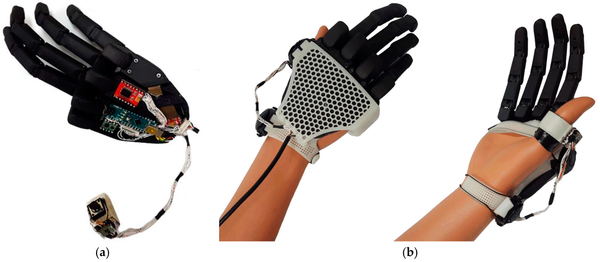
Helping Hand: A lightweight lifelike prosthetic Current prosthetics can lead to discomfort that develops into health issues like arthritis. The technology discussed in this article has the potential to revolutionise prosthetics. Having access to fine motor skills can provide users with a new level of independence and confidence. UCL Science Magazine • Biology
Aerobic Exercise: The Secret Weapon Against Alzheimer’s? Alzheimer’s disease is the most common and severe form of dementia, affecting 33.4% of people aged 85 and upwards. There is currently no effective treatment for Alzheimer’s disease and due to the aging population finding this treatment is more important than ever. Researchers have proposed a positive UCL Science Magazine • Biology
The Brain’s Secret to Overcoming Fear Can we change the way our brain responds to fear? While fear can be essential for survival, it can also become excessive, resulting in disorders such as anxiety and phobias that impair daily life. Recent research from the Sainsbury Wellcome Centre at UCL questions what we know about the brain UCL Science Magazine • Biology
Could 3D Cell Cultures and Organoids Replace Animals in Research? Animals have long been involved in the scientific research process, testing treatments and drugs to ensure they are safe for humans. This role animals play has been highly criticised due to ethical and welfare concerns. New research methods, such as 3D cell culture and organoid engineering have been explored as UCL Science Magazine • Biology
Busting the Baby Blemish Boom: Everything That's Wrong With Baby Skincare Trends Wellness trends appear to come and go at a rapid rate. The latest of these trends targets the very youngest of us. Baby skincare is the new craze encouraging parents to perfect their baby’s skin using products. Is this beneficial for these children or can this new trend cause UCL Science Magazine • Beyond
Alzheimer's Disease Diagnosis: The Simplicity of a Blood Test Longer life expectancy and ageing populations will lead to an increase in the prevalence of Alzheimer's Disease across the globe. However, symptoms can be vague and non-specific, hindering diagnosis. The most effective treatments should be administered early in the progression of the disease. How can clinicians ascertain a UCL Science Magazine • Biology