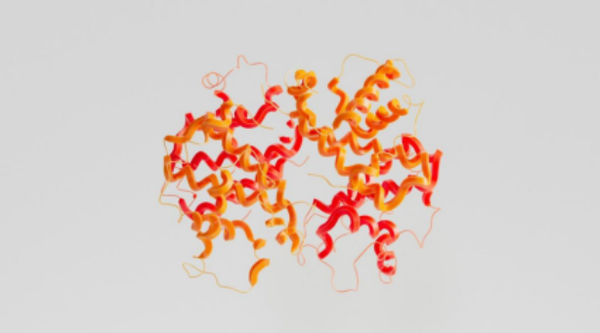
From Sequence to Structure: The Protein Folding Enigma By Aryan Boruah Introduction Proteins are basic building blocks of life and essential to all life forms. They are amazing little nano-biomachines and believe me they are incredible. Every function in our body depends on proteins. Now imagine a world where the secrets of life’s building blocks are UCL Science Magazine • Biology
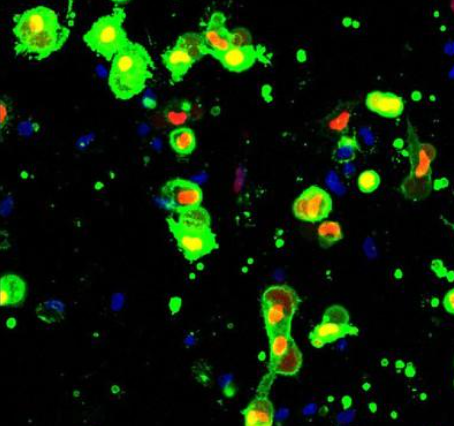
Image of necrotic cell death by Dr J.Skepper, Wellcome Collection (CC BY 4.0) Could stopping cell death be the next revolution in medicine, ageing, and even space travel? By Pushpa Nair Targeting necrosis - an uncontrolled form of cell death - could slow ageing and age-related diseases. Here’s what you need to know. Earlier this year, Bryan Johnson’s documentary, Don’t Die: The Man Who Wants to Live Forever, hit Netflix’s Top 10 - a reminder of UCL Science Magazine • Biology
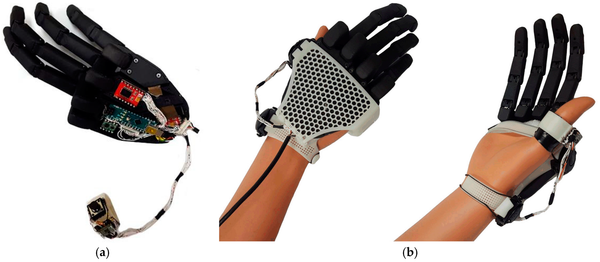
Helping Hand: A lightweight lifelike prosthetic Current prosthetics can lead to discomfort that develops into health issues like arthritis. The technology discussed in this article has the potential to revolutionise prosthetics. Having access to fine motor skills can provide users with a new level of independence and confidence. UCL Science Magazine • Biology
Aerobic Exercise: The Secret Weapon Against Alzheimer’s? Alzheimer’s disease is the most common and severe form of dementia, affecting 33.4% of people aged 85 and upwards. There is currently no effective treatment for Alzheimer’s disease and due to the aging population finding this treatment is more important than ever. Researchers have proposed a positive UCL Science Magazine • Biology
The Brain’s Secret to Overcoming Fear Can we change the way our brain responds to fear? While fear can be essential for survival, it can also become excessive, resulting in disorders such as anxiety and phobias that impair daily life. Recent research from the Sainsbury Wellcome Centre at UCL questions what we know about the brain UCL Science Magazine • Biology
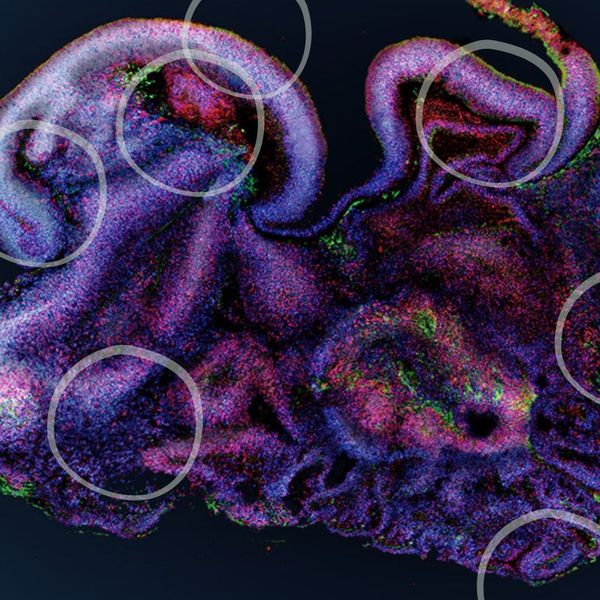
Could 3D Cell Cultures and Organoids Replace Animals in Research? Animals have long been involved in the scientific research process, testing treatments and drugs to ensure they are safe for humans. This role animals play has been highly criticised due to ethical and welfare concerns. New research methods, such as 3D cell culture and organoid engineering have been explored as UCL Science Magazine • Biology