Why We Need to Destigmatise Psychedelics to Reform Mental Health Systems With our current lack of understanding of psychopharmacological medications, ground-breaking therapies are long overdue. It is up to legislative frameworks to liberate psychedelics, amongst other classed substances, to reform mental health systems. By Anushka Barthwal. UCL Science Magazine • Beyond
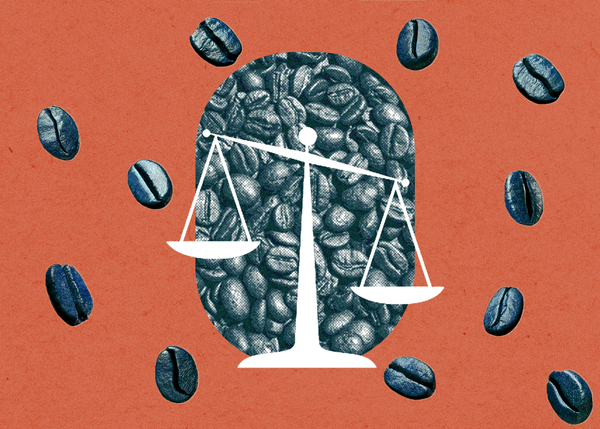
The Secret to a Longer Life Lies in Your Morning Coffee Studies have found a simple practice to increase the longevity of our lives that many of us are already using – a daily cup of coffee or two. By Julia Teichman. UCL Science Magazine • Biology
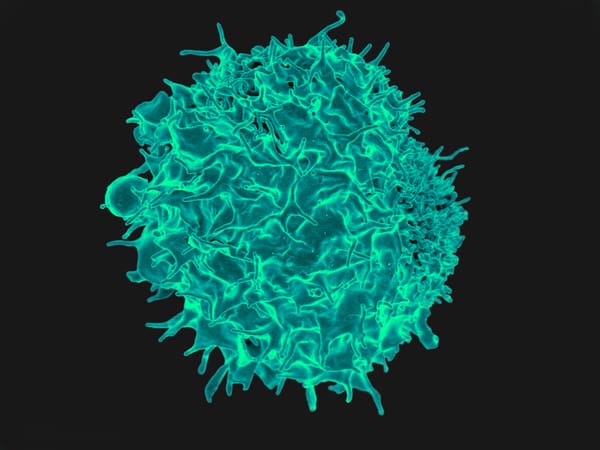
Cancer Targeting CAR T-Cells: Can They Treat Autoimmune Diseases? For the first time, five patients diagnosed with the incurable autoimmune disease lupus have been sent into remission using a therapy previously designed for treating cancer. This has opened up the possibility of keeping other autoimmune diseases at bay. By Catherine Turnbull. UCL Science Magazine • Biology
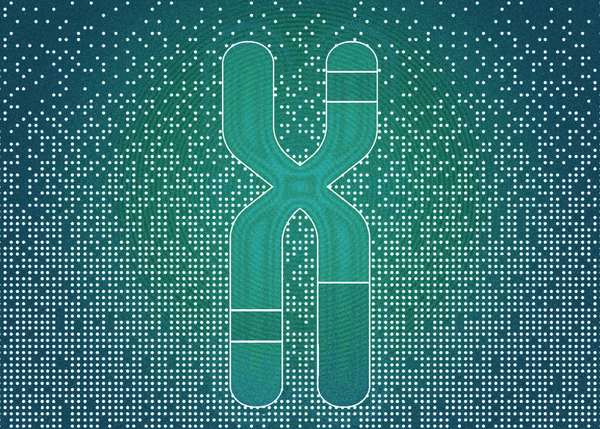
‘Junk DNA’ Proves Valuable in Demystifying Ageing and Cancer Researchers have recently identified a DNA region, known as VNTR2-1, which drives the activity of the telomerase encoding gene and influences the ageing of certain cell types. By Sara Majernikova. UCL Science Magazine • Biology
Bipartite Elixir Found to Regenerate Animal Appendages A new study by researchers at Caltech has found that appendage regeneration in animals can be promoted by feeding them a mixture of amino acids and insulin or sucrose. This begs the question: is there a limit to our regenerative capabilities? By Kai Mason UCL Science Magazine • Biology
DNA Mutations Through the Lens of Quantum Physics Researchers at the University of Surrey use quantum physics to unlock the secrets of spontaneous DNA mutations. By Shriraam Thiagarajan UCL Science Magazine • Physics