Bipartite Elixir Found to Regenerate Animal Appendages A new study by researchers at Caltech has found that appendage regeneration in animals can be promoted by feeding them a mixture of amino acids and insulin or sucrose. This begs the question: is there a limit to our regenerative capabilities? By Kai Mason UCL Science Magazine • Biology
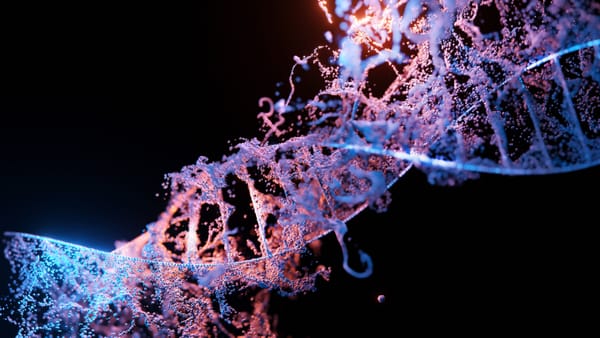
DNA Mutations Through the Lens of Quantum Physics Researchers at the University of Surrey use quantum physics to unlock the secrets of spontaneous DNA mutations. By Shriraam Thiagarajan UCL Science Magazine • Physics
Electrocatalysis: Making Batteries that Breathe UCL researchers collaborate with an international research team to improve the efficiency of low-cost, sustainable batteries which could power the future. By Melike Temizturk UCL Science Magazine • Chemistry
COVID-19 Sparks Research Into Modelling Future Pandemics COVID-19 brought instability, shock and grief to all. To some, it provoked questions about its predictability. Can artificial intelligence really forecast pandemics? If so, what does this mean for the future of prevention methods? By Teresa Su. UCL Science Magazine • Technology
Is it Time to Rethink Our Treatment of Depression? “No convincing evidence that depression is caused by low serotonin” - researchers at University College London challenge decades old theory about using antidepressants to treat depression, but should that completely change the way doctors prescribe them? By Nathan Adu-Poku. UCL Science Magazine • Biology
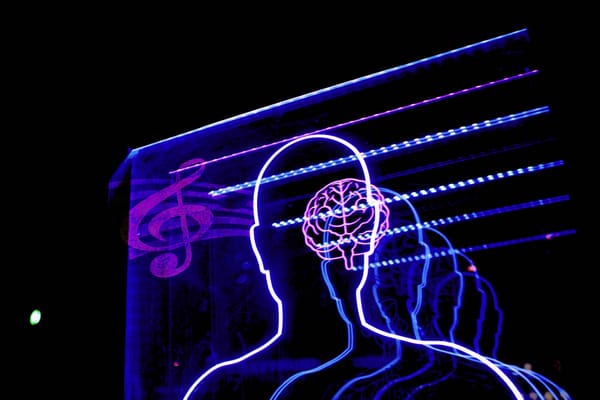
Singin’ in the Brain: A Compelling Discovery About the Neurons That Respond to Singing Neuroscientists have discovered a subpopulation of neurons which respond specifically to sung music. By Miranda Porter. UCL Science Magazine • Biology