Skincare You Can Wear: Inside the Science of Cosmetic Clothing What the evidence says about cosmetic clothing, and whether our clothes can become part of our skincare routine. UCL Science Magazine • Technology
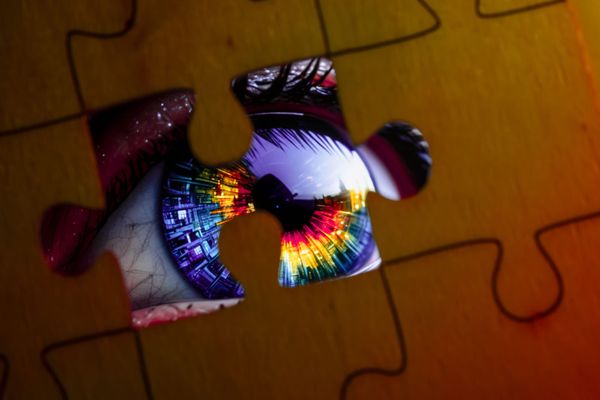
How AI is Turning Retinal Images into Insights about the Brain The retina offers a unique window into brain health. This article explores how AI-powered retinal imaging, including innovations like RetinaMind, could enable earlier neurological screening while critically examining its limitations, and how much the eye can truly reveal about the brain. UCL Science Magazine • Technology
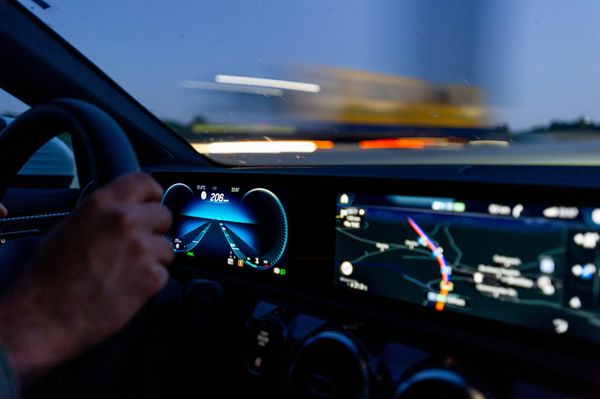
The Brain Behind the Wheel: How Deep Learning Could Detect Driver Fatigue Falling asleep at the wheel is a key cause of road collisions, with drivers in high-stress jobs, e.g. working night shifts, being at greater risk. Monitoring the electrical activity of the brain/heart can provide insight into wellbeing and enable real-time fatigue detection. UCL Science Magazine • Technology
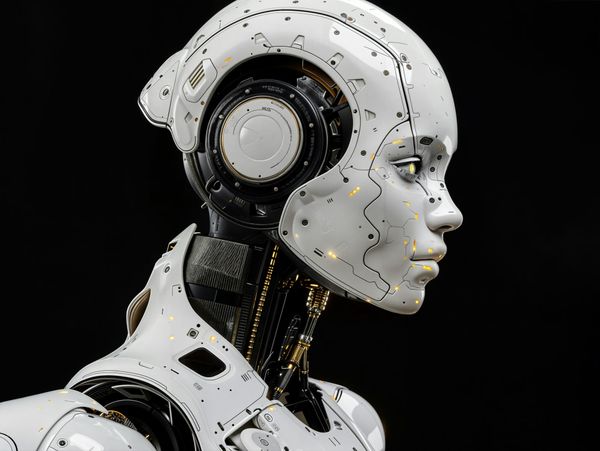
Intuition, Verification, and Interpretation: Can AI Replace Human Physicists? AI has made breakthroughs in mathematics, but far less progress in physics. “Physical intuition” is hard to formalise in training, and thus struggles to link maths to reality. Still, its strengths in derivation and data analysis let physicists focus on creativity and critical thinking. UCL Science Magazine • Technology
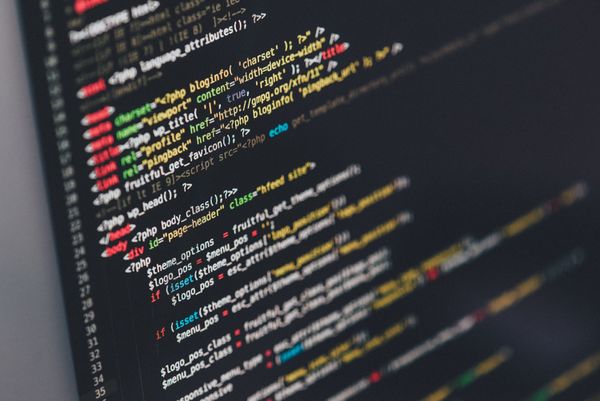
From Coding to Commanding: How AI Is Rewriting the Developer’s Role How a shift from writing code to directing AI agents is redefining one of the most in-demand skills of the digital age. UCL Science Magazine • Technology
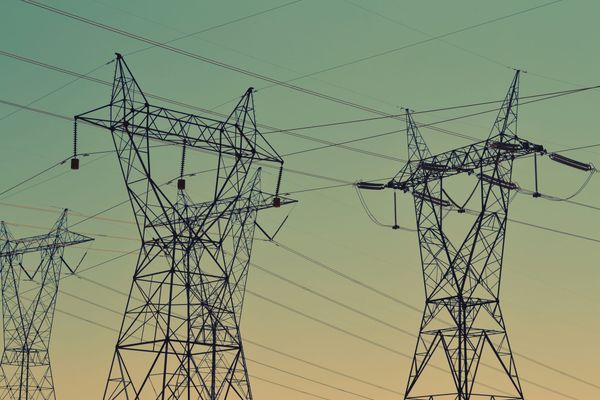
The New Era of Hydrogen Energy As a society we are becoming increasingly aware of our negative impact on the environment. Research into more novel energy solutions like hydrogen energy may be our gateway to a decarbonised energy sector. UCL Science Magazine • Technology