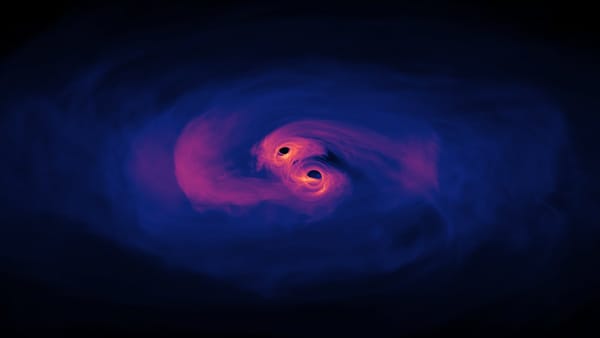
‘Galactic Cannibal’ Regurgitates Black Hole at 4 million Miles per Hour Could the answer to galaxy formation be hidden in massive black hole mergers? By Alexander Gavin UCL Science Magazine • Physics
Getting to the Root of the Problem: Prioritising Conservation Efforts in Global Forests Researchers have developed a mathematical model that aims to maximise the conservation of global forested biodiversity under budget and time constraints. By Amelia Macho. UCL Science Magazine • Biology
Quantum Teleportation beyond Neighbouring Nodes: A Step Closer to a New Internet What is quantum teleportation, really? Non-neighbouring nodes, qubit channelling and complex quantum networks. True, but invariably non-Layman. Cue Alice, Bob and Charlie, who might just help us wrap our heads around it. By Teresa Su. UCL Science Magazine • Computer Science
Heating and Cooling our Homes: As Simple as Black and White? Quan Zhang and his team at Nankai University have developed a seemingly obvious, yet elegant thermoregulator that unravels the path to a sustainable future. By Melike Temizturk. UCL Science Magazine • Chemistry
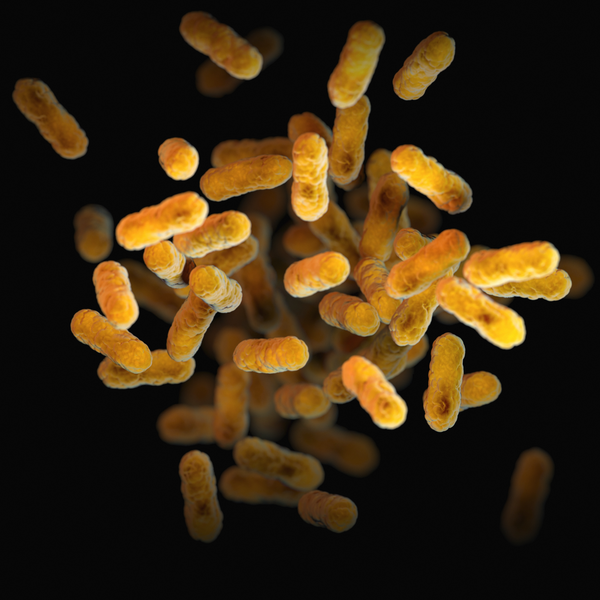
Electron micrograph of beneficial Lactobacillus bacteria in human intestine. Image credit: Centers for Disease Control and Prevention. The Friendly-Parasite Paradox; Gut Microbiome Found to Impact Mood Microorganisms in our bodies outnumber human cells by approximately 10:1, but do any impact our mood? By Amaani Nawaz. UCL Science Magazine • Biology
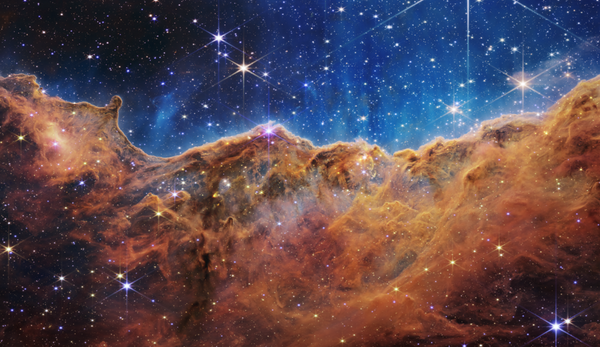
Planetary nebula captured by JSWT in infrared light, Image credit: NASA, ESA, CSA, and STScI. Could the James Webb Space Telescope Help us Find Extraterrestrial Life? Read about the new James Webb Space Telescope, learn about its capabilities and limitations. By Alexander Gavin. UCL Science Magazine • Physics