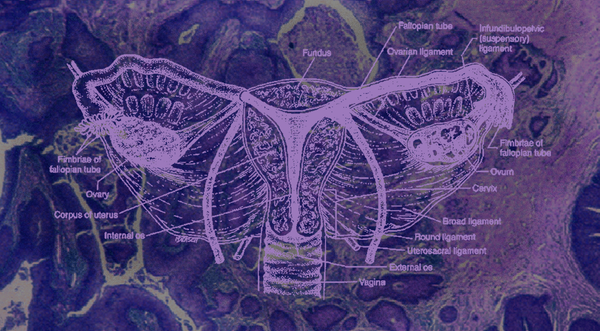
The Nano Toolbox Used to Combat Cervical Cancer (3/3) Women in developing countries are disproportionately affected by cervical cancer due to a lack of access to preventative medicine – innovations in nano-based cancer therapies are paving the way for a cancer-free future. By Mia Shepherd. UCL Science Magazine • Biology
Novel Image-guided Nanoparticles Poised for Cancer Clinical Trials (2/3) A research team at Kings College London have developed a novel image-guided nanoparticle-based cancer treatment for targeted drug delivery, in hopes of reducing patient suffering. By Mia Shepherd. UCL Science Magazine • Biology
The UK Startups Developing Novel Cancer Treatments (1/3) Trojan horse bacteria and biomarker transistors may solve some cancer questions – so say UK-based startups ChronosDx, Cansor, and Neobe Therapeutics. By Mia Shepherd. UCL Science Magazine • Biology
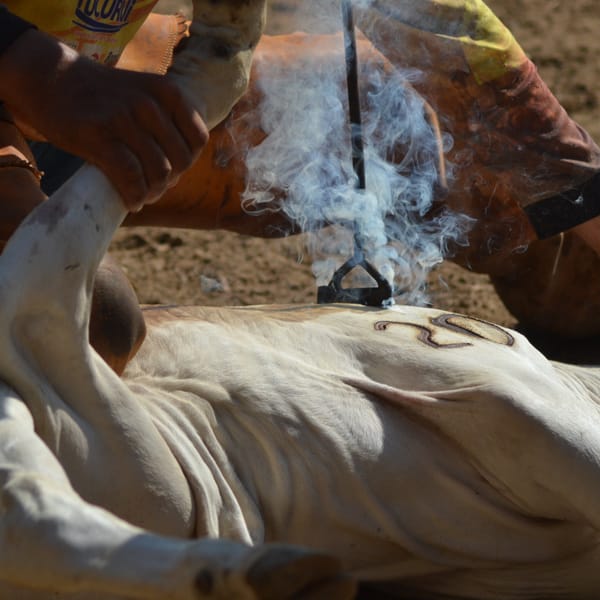
Branded: The Ethics of Livestock Ownership Branding has been used to establish ownership over livestock for centuries, despite its numerous harmful side-effects. Animal activists insist that more humane methods can only be implemented with government support. By Joseph Olaniyan. UCL Science Magazine • Biology
‘We Are Electric’ by Sally Adee — A Holistic Inquiry into Bioelectrical Revolution ‘We are Electric’ explores the unlimited potential of biological communication between cells to help our body heal—be it tissue regeneration or cancer treatment. Those seeking to understand this potential would benefit from Adee’s technical and engaging narrative. Book review by Julia Wojciechowska. UCL Science Magazine • Technology
Going with your Gut - An Alternative Approach to Alzheimer’s What do the bacteria in our gut have to do with Alzheimer’s Disease in the brain? A recent paper has revealed a potential link between gut bacteria and the deterioration of brain cells in mice. By Mollie Huggins. UCL Science Magazine • Biology